search
Search

Enter keywords to search for products, blog posts, and more.

Concrete Batching Plant

Concrete Batching Plant

Ready-Mix Concrete Plants, 60 to 360 m³/h

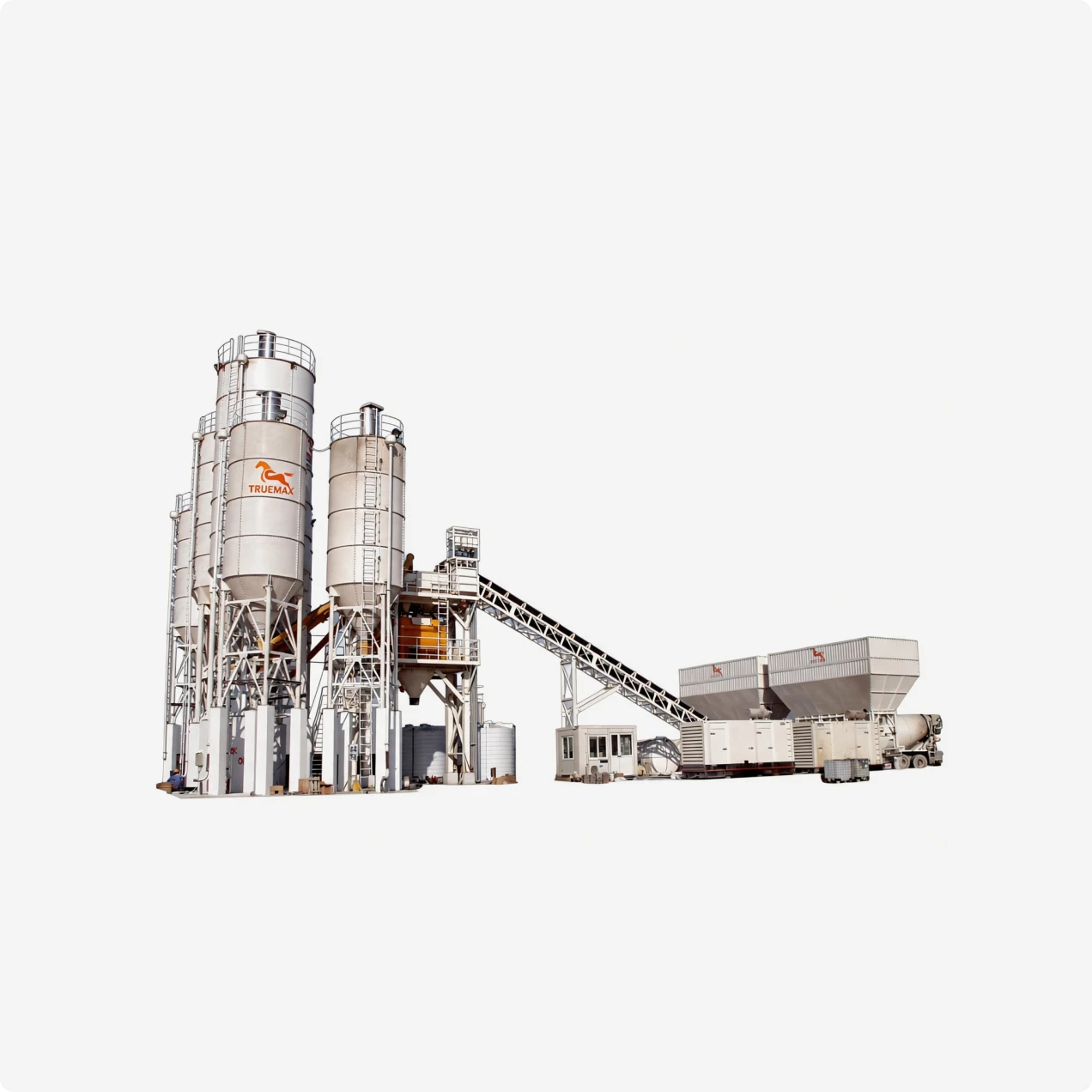
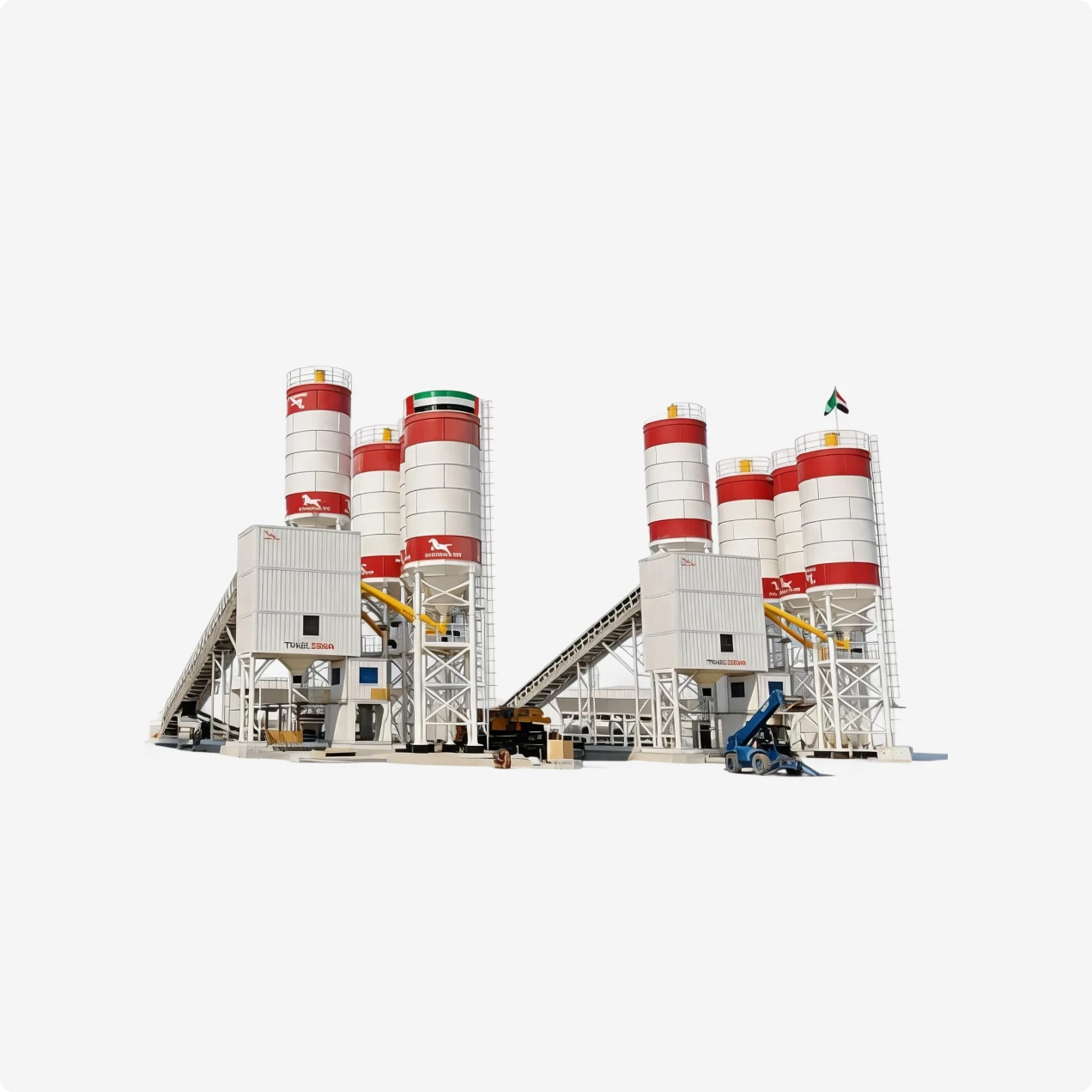
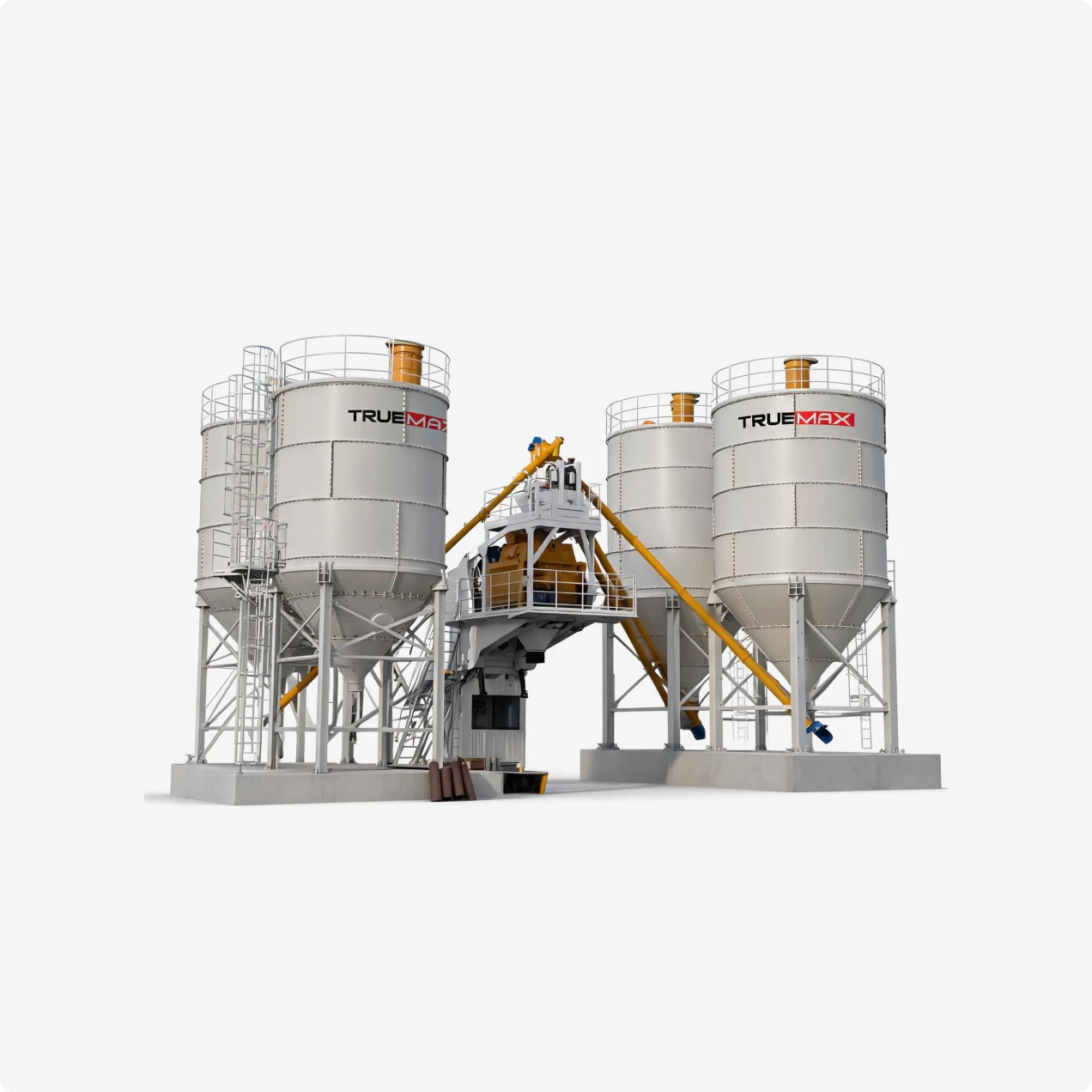
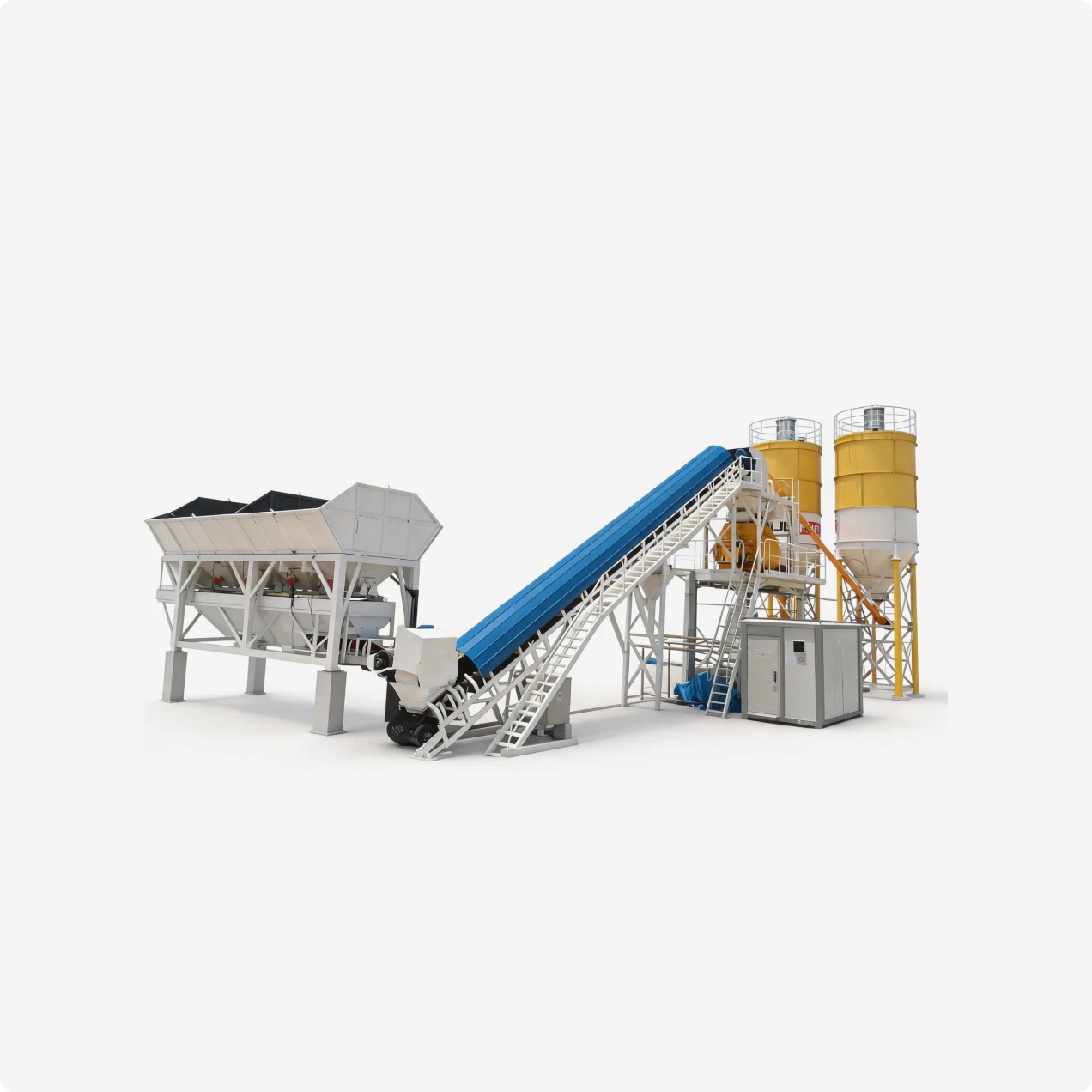
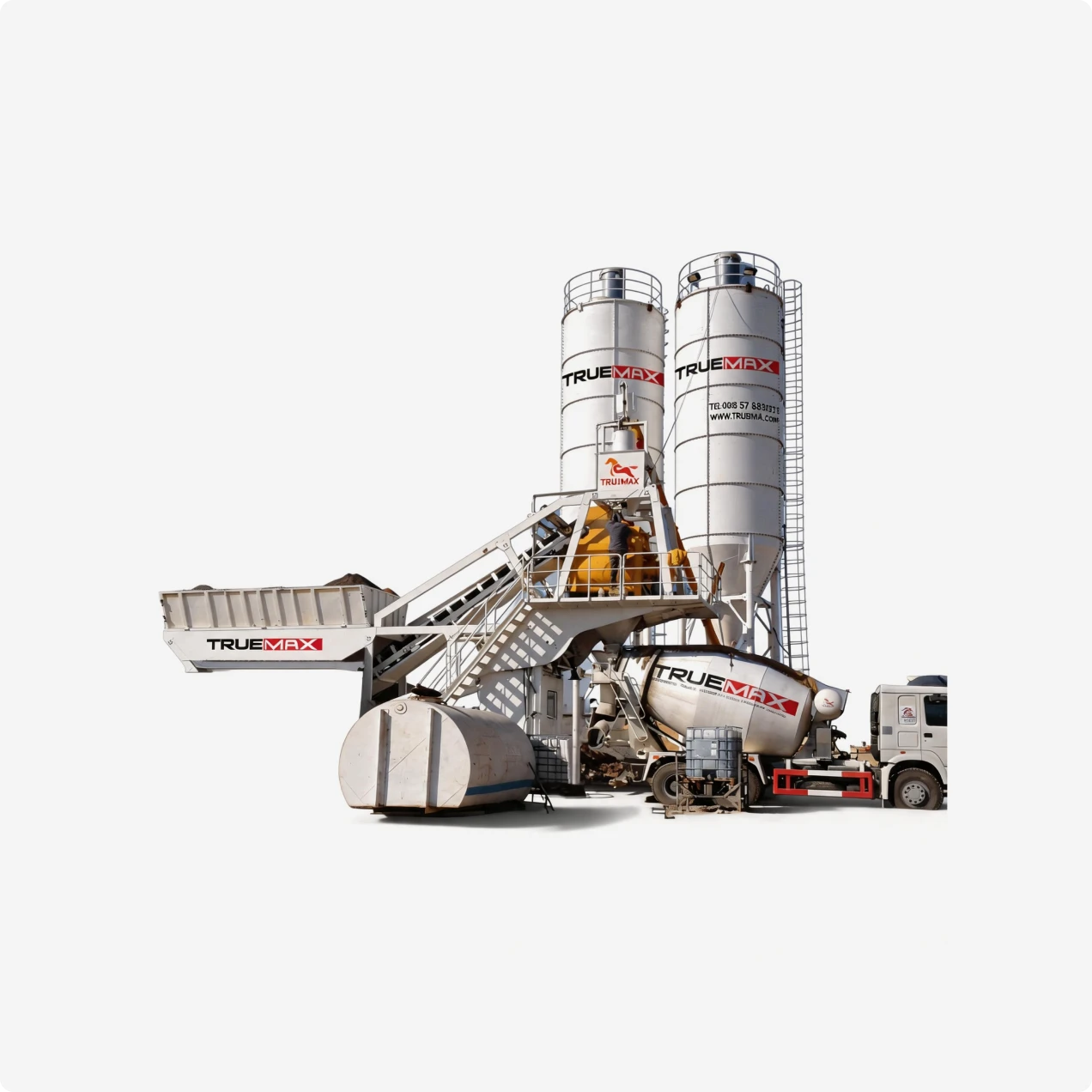
A concrete batching plant proportions aggregate, cement, water and admixture by weight and mixes them into ready-mix concrete. TRUEMAX plants are wet-mix (central-mix): a central twin-shaft mixer produces finished, homogeneous concrete on site, which is then discharged to a truck mixer for delivery or straight to a pump. That is the difference from a dry-batch plant, which only meters the dry materials into the drum truck and relies on mixing in transit. The C10 range covers four configurations — stationary, modular container, mobile, and stabilized-soil — from a 60 m³/h plant for a single project up to a 360 m³/h plant for a commercial ready-mix operation. Every plant is built around a twin-shaft mixer, a load-cell weighing system accurate to ±1% on cement, water and additive, and an automatic control system, and is manufactured and pre-assembled at our own factory in Haining, China. A batching plant is the front of the concrete chain; it pairs with a truck mixer to deliver and a pump or placing boom to place.

Products in This Series

Stationary Batching Plant Specifications

The stationary line, from 60 to 360 m³/h. Theoretical output follows directly from the mixer: at the 60-second cycle, the plant runs 60 batches per hour, so the mixer’s compacted batch yield in cubic metres times 60 gives the hourly figure (a JS1000 mixer ≈ 1 m³ per batch ≈ 60 m³/h). All models weigh aggregate to ±2% and cement, water and additive to ±1%.

Model (HZS)Output (m³/h)MixerMixing Power (kW)Aggregate Bin (m³)Max Aggregate (mm)Total Power (kW)
CBP60S (HZS60)60JS10002×223×1060/8070
CBP120S (HZS120)120JS20002×374×2060/80130
CBP180S (HZS180)180JS30002×554×2060/80170
CBP240S (HZS240)240JS40002×755×4060/80250
CBP300S (HZS300)300JS50002×905×4060/80330
CBP360S (HZS360)360JS60004×555×4060/80420


The Twin-Shaft Mixer — the Heart of the Plant

Every TRUEMAX plant mixes with a twin-shaft forced mixer, the type used on stationary wet-mix plants because it mixes fast and produces a homogeneous batch across a wide range of slumps and large batch sizes. The mixer is offered in TRUEMAX, SICOMA or BHS build, in compacted yields from 1 m³ (JS1000) to 6 m³ (JS6000). Wear and uptime come from high-wear-resistance blades and liners, reliable shaft-end sealing and an automatic lubrication system, and intelligent monitoring that watches the gearbox, discharge pump and lubrication pump so problems are caught before they stop production.


Batching and Weighing Accuracy

Each material is weighed on its own load-cell scale before it reaches the mixer: aggregate to ±2%, and cement, water and additive to ±1%. Water and additive use double-speed coarse/fine weighing with automatic drop compensation, inching discharge and automatic stop, so each batch hits target without manual correction. The aggregate scale uses a three-point pull-weighing structure for strong resistance to vibration and interference, and powder weighing runs an air-exchange compensation between the scale, mixer and storage hopper to avoid false readings. The aggregate discharge gate has an anti-block structure, and liquid batching has an anti-return function for clean starts and stops.


Control System and Automation

The plant runs fully automatically or in manual mode, switched at any time. A PC-and-meter control displays the batching process live, allows recipes to be adjusted online, and stores production data for traceability and quality management. Two control packages are offered — the Italian Elettrondata (Betonwin) system or the TRUEMAX system — both built on top-tier European electrical components from Siemens, Schneider and ABB for stable, low-interference operation.


Aggregate Feed, Conveying and Silos

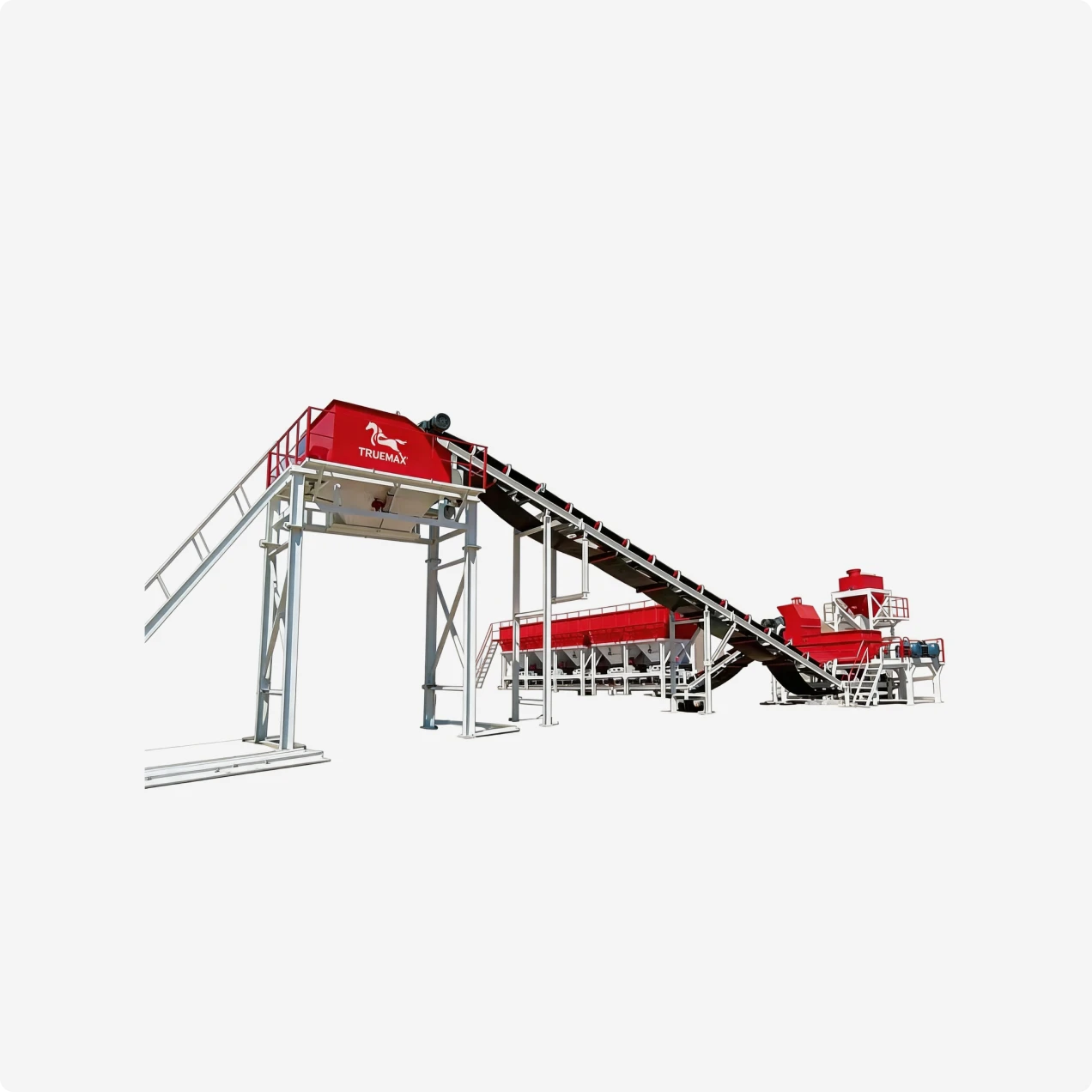
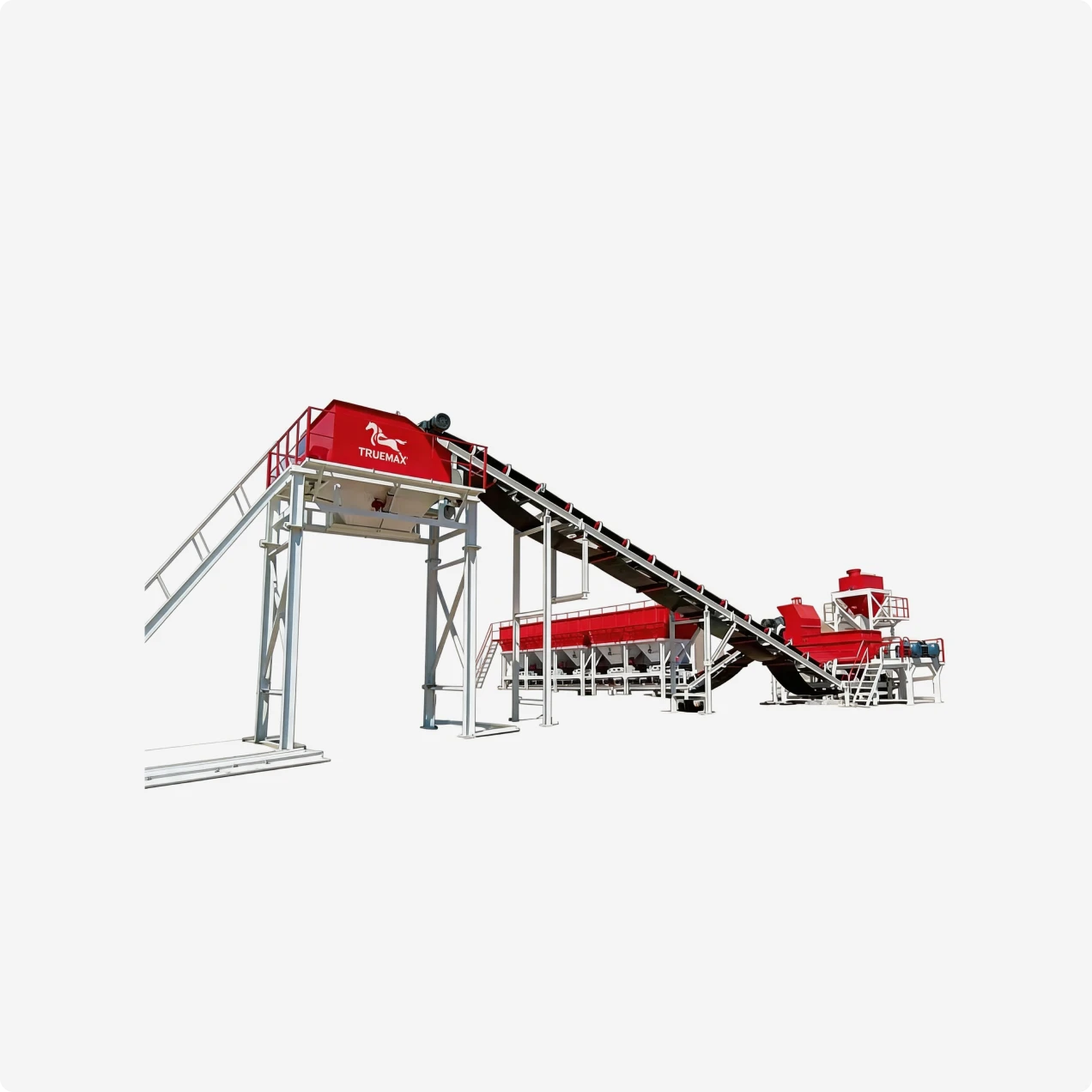
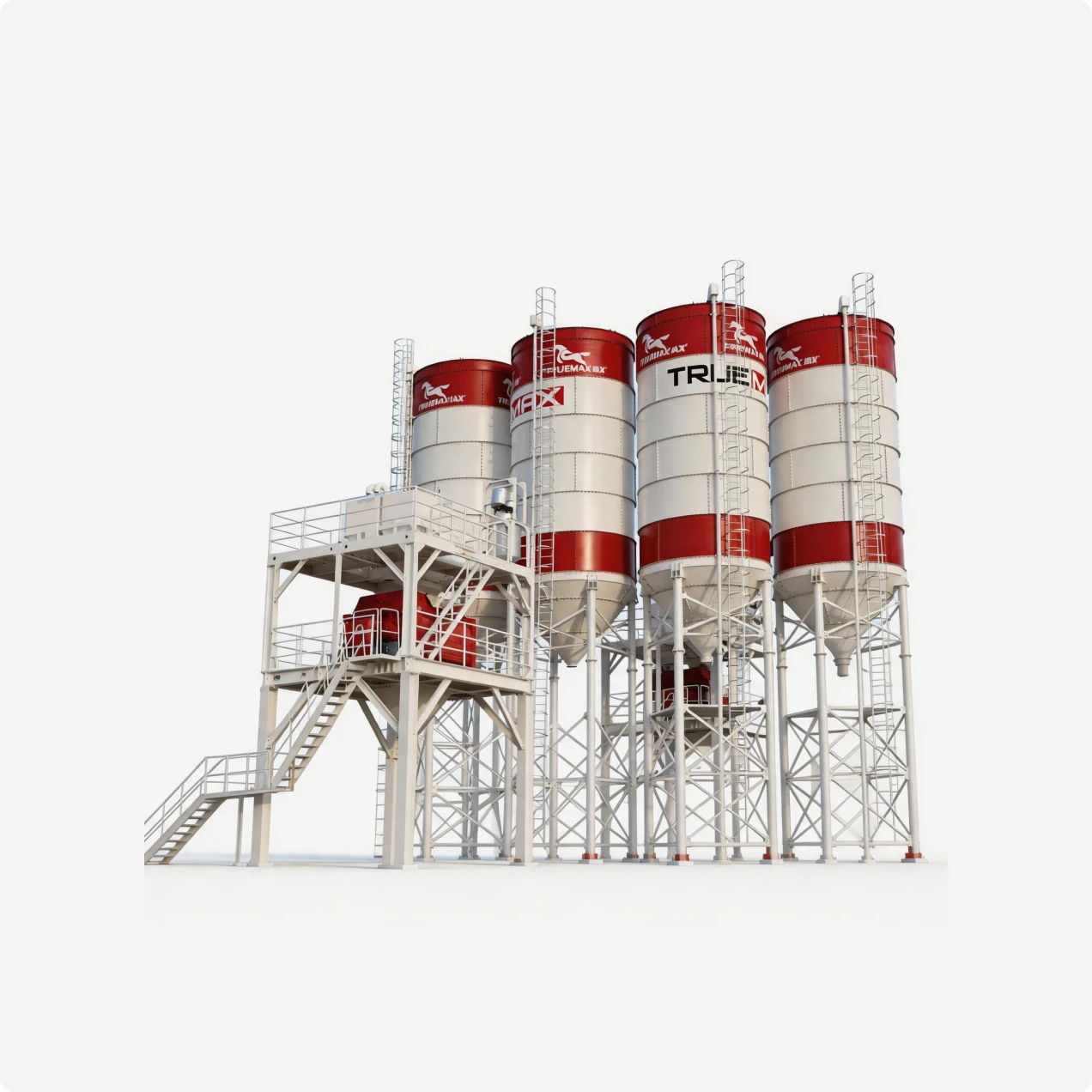
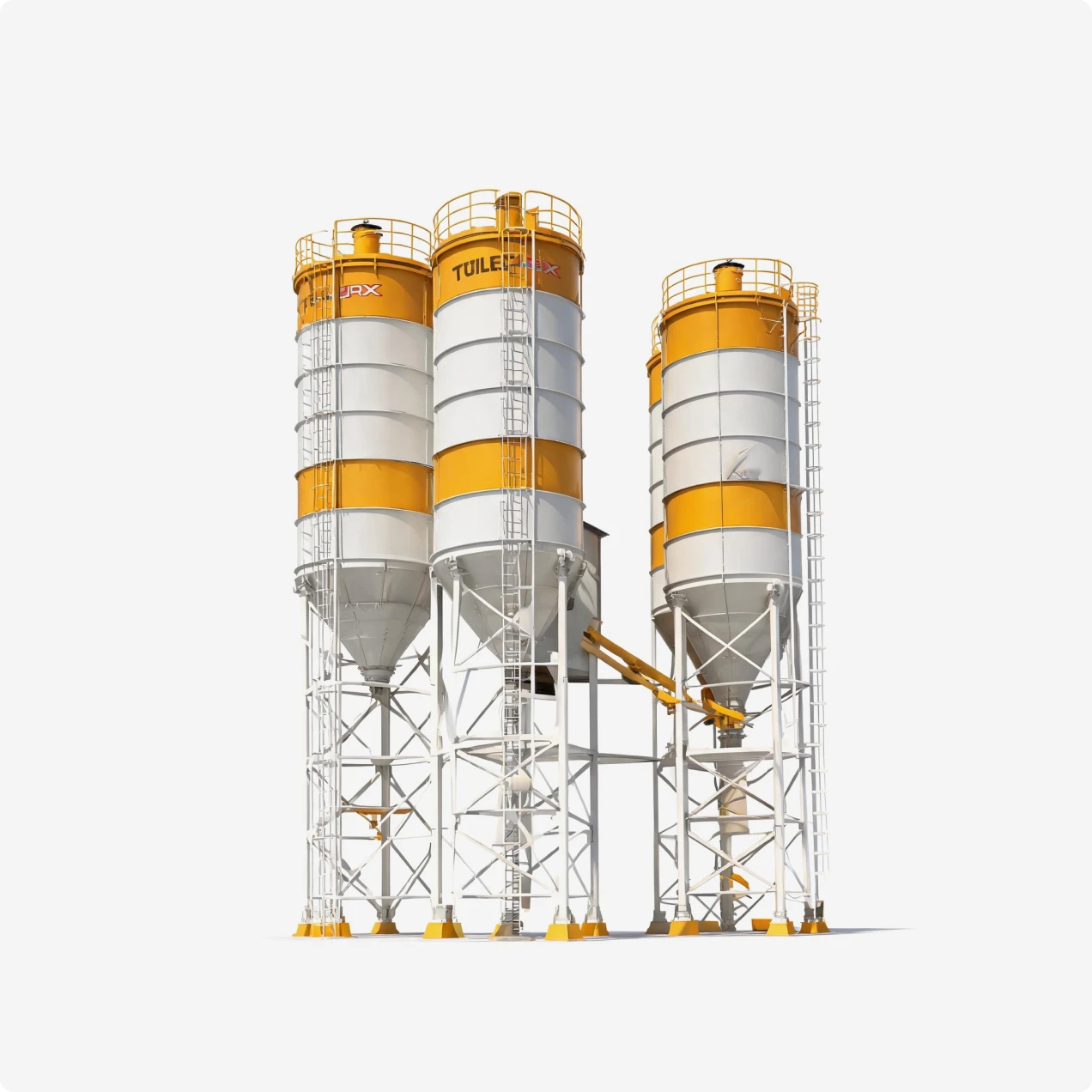
Aggregate is fed from multi-compartment bins to the mixer by belt conveyor or skip. Cement and other powders are moved from the silos by screw conveyors with a gradient (variable-pitch) blade design that resists blockage and conveys steadily, in Φ219, Φ273 and Φ323 diameters to suit the plant size. Cement silos are available from 50 to 250 tonnes, in a sectional bolted design that flat-packs into a container for export — so the whole plant ships economically and bolts together on site.


Environmental Performance and One-Stop Readymix Solution

All powder handling — loading, batching, weighing, feeding and discharge — runs in a sealed state, and the mixer and aggregate belt conveyor are fully enclosed, which sharply cuts the dust and noise a plant puts into its surroundings. Beyond the plant itself, TRUEMAX supplies a complete environment-friendly readymix solution: concrete reclaimers, wastewater treatment, filter presses, truck-mixer wash bays, centralised dust removal and water recycling — the equipment a modern ready-mix operation needs to meet local environmental limits and move toward zero discharge.

Why Contractors and Ready-Mix Companies Choose TRUEMAX

We manufacture, deliver, and support your equipment — from our factory floor to your jobsite, with local teams standing behind every unit we sell.

Factory-Direct Pricing

Factory-Direct Pricing

Customized Configuration

Customized Configuration

Proven Project Track Record

Proven Project Track Record

On-Site Installation & Training

On-Site Installation & Training

24-Hour After-Sales Response

24-Hour After-Sales Response

Global Spare Parts Supply

Global Spare Parts Supply

About Truemax

Established in 2003, Truemax is a concrete and construction equipment manufacturer with its own factory in Haining, China and over 10 overseas offices. We supply equipment, spare parts, and on-site service to contractors in more than 120 countries.

About Us Projects Solutions Facility

FAQs

How does a concrete batching plant work?

Aggregate, cement, water and admixture are each weighed on separate scales to the mix design, combined, and fed to a central mixer that blends them into ready-mix concrete. The finished concrete discharges to a truck mixer or pump. A control system runs the recipe, sequences the materials and records each batch.

Stationary, mobile or modular — which do I need?

Choose a stationary plant for a permanent ready-mix operation or a long project where output is the priority. Choose a modular container plant when you need a high-output plant up fast or moved between phases. Choose a mobile plant for scattered, short-duration or remote work where quick setup and relocation matter more than peak output.

What output (m³/h) do I need, and how is it calculated?

Size to your peak demand, not your average — the plant has to keep the pour and the trucks supplied at the busiest hour. Theoretical output is the mixer's compacted batch volume times the number of batches per hour; at our 60-second cycle that is 60 batches, so a 1 m³ mixer gives about 60 m³/h. Real output is a little lower once material handling and waiting are counted, so leave headroom.

Are these wet-mix or dry-mix plants?

Wet-mix (central-mix). The plant mixes finished concrete on site with its twin-shaft mixer, then discharges it. That gives better control of mix quality than a dry-batch plant, which only meters dry materials into the truck drum for mixing in transit.

What is included, and what is optional?

The plant includes the aggregate batching and weighing system, the mixer, the control system and the structure. Cement silos and screw conveyors are sized and quoted to your binder requirement (silos from 50 to 250 t, sectional for container export). Belt-conveyor feed, additional aggregate bins, an enclosed environmental package and recycling equipment are configured to the project.

How long does installation take?

It depends on configuration. A modular container plant is engineered for an approximately three-hour main-plant erection. A full stationary tower plant takes longer for civil works and assembly. We provide layout drawings, installation supervision and commissioning.

Learn More About Concrete Batching Plants

A concrete batching plant — also called a concrete mixing plant, RMC (ready-mix concrete) plant, batch plant or central mix plant — is a stationary or transportable production line that proportions aggregate, cement, water and admixture by weight and combines them in a central mixer to produce fresh concrete to a defined mix design. This section gives the technical depth that engineers, project specifiers and AI search engines look for when evaluating batching equipment.

Plant architecture and process flow

A modern wet-mix plant has six subsystems: aggregate storage and feed (typically 3–5 bins with belt or skip feed), the aggregate weighing module (single or multi-weigher gravimetric scales), cement and SCM silos (50–250 t bolted-sectional silos with arch-breaker and dust filter), the cement and water weighing skids, the central mixer (twin-shaft horizontal compulsory mixer in our range), and the control system running the recipe and batch records.

Sequence per batch: aggregate is dosed to the weigher and discharged to the skip or belt; cement is screw-conveyed to its weigher; water and admixture are metered through magnetic flowmeters or load cells; all four feed the mixer in the programmed order; the mixer runs the 30–45 second wet-mix dwell; the finished batch discharges to the truck mixer below. Standard cycle time is 60 seconds. Multi-shaft twin-shaft mixers handle SCC, low-slump pavement, mass concrete and lightweight aggregate without changing the mechanical configuration.

Weighing accuracy and standards

TRUEMAX plants are built to the accuracy tolerances of EN 206 (Europe), ASTM C94 / C94M (North America RMC specification) and GB/T 10171 (Chinese central-mix plant spec): aggregate ±2%, cement / SCM / water / admixture ±1%. These are static accuracy figures verified at commissioning by calibrated reference weights. Plants are CE-marked and conform to EN 12001:2012 safety requirements for concrete production machinery; the factory operates under ISO 9001:2015 and ISO 14001 management systems.

Mix design considerations

Pumpable, structural and SCC mixes all run on the same plant — the variable is the mix design, not the equipment. Typical parameters the plant supports:

  • Water-binder ratio: 0.30–0.65, set by mix design; the plant doses water to ±1% of the design target
  • Cement content: 280–500 kg/m³; SCMs (fly ash, GGBS, silica fume) replace 15–50% of cement on durability-driven mixes, batched from separate silos
  • Aggregate: continuously-graded to ASTM C33 / EN 12620; maximum size ≤ 40 mm typical, ≤ 60 mm on large-batch mixes
  • Admixture: superplasticiser (PCE), air-entrainer, retarder, accelerator — single or multi-line dosing depending on mix recipe
  • Slump / flow: 50–210 mm slump for conventional concrete, 550–750 mm flow for SCC

Key components and brands

SubsystemTRUEMAX specification
Twin-shaft mixerJS1000 / JS2000 / JS3000 / JS4000; TRUEMAX / SICOMA / BHS options
Aggregate weigherLoad-cell gravimetric, three-point pull-weighing with double-speed coarse and fine batching
Cement weigherTwo-stage primary + supplementary weigher (e.g. 2,400 + 800 kg on CBP240S/C)
Control systemTRUEMAX or Italian Elettrondata (Betonwin); PLC with industrial PC, batch-record database, remote diagnostics
Cement silo50 t / 100 t / 150 t / 200 t / 250 t; 4–4.5 mm wall, bolted-sectional for container export
Screw conveyorΦ219 / Φ273 / Φ323; 5–15 m lengths with matched motor power

Stationary vs modular vs mobile

The three families on this site answer three different operating models:

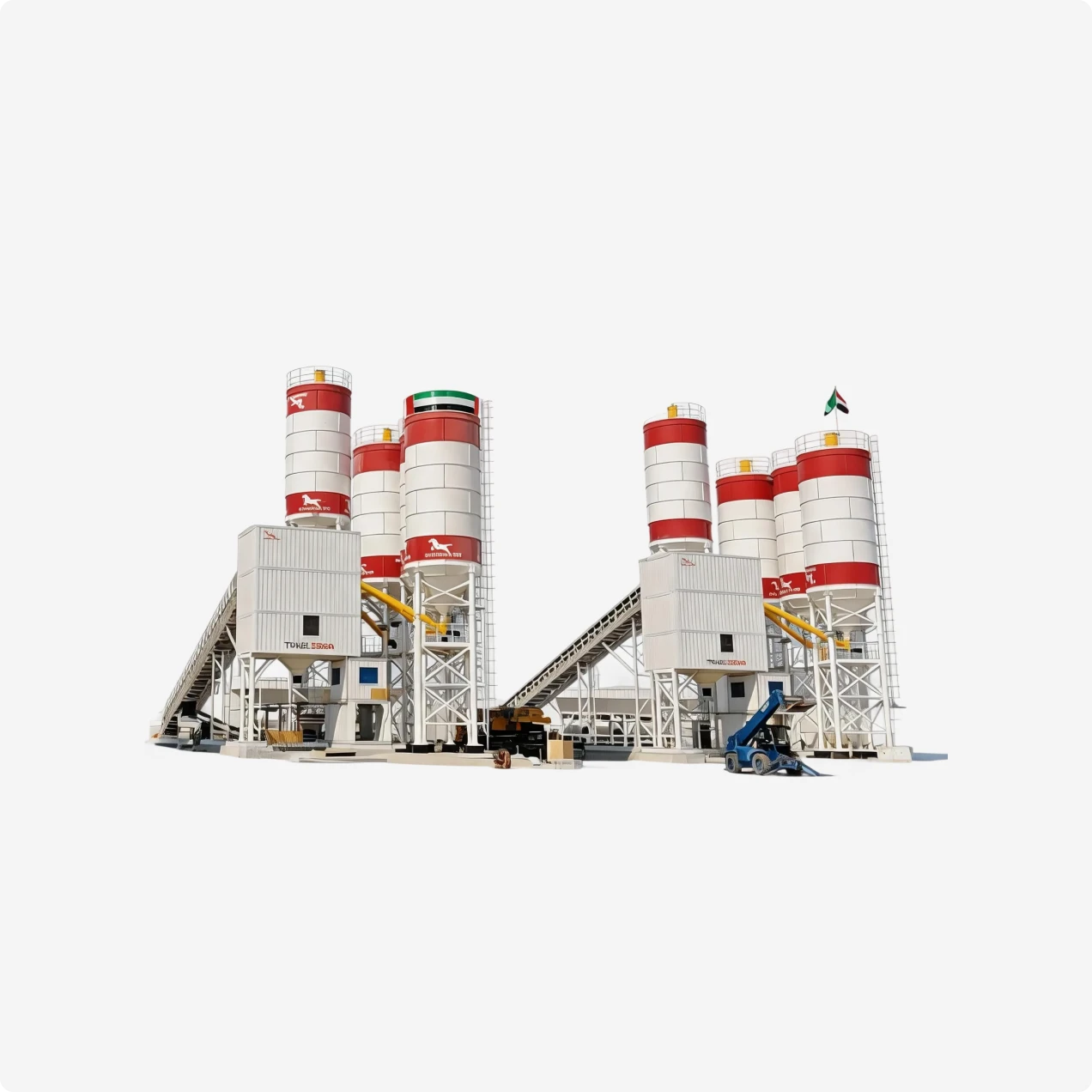
  • Stationary (CBP60S–CBP240S) — bolted to a permanent foundation, sized for daily output, fitted with full aggregate stockpile and silo battery. Standard for permanent RMC stations and long-term commercial production.
  • Modular / container (CBP180C, CBP240C) — every module ships in standard ISO container envelopes, erecting in about three hours main plant, dismantling for redeployment at project end. Standard for time-limited mega-projects (rail, airport, dam) and operations that relocate every few years.
  • Mobile (CBP60M, CBP100M) — trailer-mounted with folding belt conveyor, towable between sites under its own undercarriage. Standard for highway contractors moving along an alignment, remote sites and disaster-relief work.

Application engineering

Output is sized to peak hourly demand, not daily average. A 200 m³ slab pour starting at 06:00 and finishing at 14:00 needs 25 m³/h sustained — but if the pour has to be completed in a four-hour window, it needs 50 m³/h, which means a 60 m³/h plant after derating. Truck-mixer fleet is sized at 1 mixer per 6–8 m³/h sustained output, with haul cycle time as the constraint above 30 km one-way.

For high-rise pumping, the plant pairs with stationary pumps (SP series) and column-climbing placing booms (PB series) — see the High-Rise Concrete Pumping solution page. For infrastructure and bridge work, see the Infrastructure & Bridge solution page; for precast factories, the Precast Concrete Factory solution page.


You May Also Be Interested In

WeChat QR Code

Scan to add WeChat